

Every cat in our cast carries two stories. The first one began somewhere difficult — a shelter kennel, an uncertain past, too many strangers walking by. The second one began the day somebody stopped, crouched down and simply waited. This article follows the road between those two stories: how a rescue cat travels, step by patient step, from a shelter to the warm light of a classic vaudeville matinee on the Las Vegas Strip. There are no shortcuts on that road — and that is exactly the point.
Meeting at the Shelter: Character, Not Breed
The search never starts with a breed list. Every one of our 30+ cast members — cats, dogs, geese, parrots, the mini horse Diamond and the mini pig Lucy — was adopted from an animal shelter, and what Gregory Popovich looks for in a shelter aisle has nothing to do with pedigree. He looks for character: the cat who comes to the front of the kennel to investigate, who watches people with curiosity rather than worry, who cannot resist a dangling shoelace.
Confidence matters more than beauty, and personality matters more than both. A quiet cat is not a rejected cat, either — some of the calmest animals simply need a softer role and a longer runway. The question in the aisle is never “What can this cat do?” It is “Who is this cat?” — because character is the one thing a stage cannot fake.
The First Weeks Are Only About Trust
When a newcomer arrives, nothing that resembles training happens at all. The first weeks belong entirely to trust: settled mealtimes, quiet rooms, gentle voices, unhurried company. The new cat learns the rhythm of her new home and, more importantly, learns that nothing here is ever taken from her — not her food, not her space, not her choice to walk away.
This is not a waiting period before the real work begins; it is the real work. The bond built in these weeks — mutual respect between a person and an animal — is the only foundation the method stands on. A cat who trusts a voice will follow it with pleasure. A cat who does not will rightly ignore it, and no prop, plan or schedule will change her mind.
Natural Behaviors Become the Act
Once trust is settled, observation begins. Every cat already does something wonderful. One loves climbing to the highest point of any room. Another rides calmly on whatever happens to move. A third nudges objects off tables with a juggler’s precision. The method never asks a cat to become someone else: it notices the natural behaviors she repeats for pure joy and gently guides them — with verbal praise, warm intonation and simple cause-and-effect — into moments an audience can share.
There is no food dangled as a trigger and no pressure of any kind; praise is the only currency. When the same joyful behavior earns the same warm words often enough, the cat draws the connection herself — and starts offering the behavior proudly, because it has become a conversation rather than a task.
Video placeholder — final video asset pending {TBD}
That is the whole secret behind the cat moments in the show: nothing on that stage was imposed. It was discovered.
How the Cast Lives at the Ranch
Between matinees, the cast lives at the ranch, in spacious enclosures built for animals who spend most of the day simply being animals. Daily veterinary care is part of the ordinary routine rather than a response to trouble, and the facility passes continuous USDA inspections.
Rest matters as much as rehearsal. A 75-minute matinee is a short, heartwarming window in a day otherwise filled with sunshine, naps and company — and that balance is deliberate. If you would like to see it for yourself, our Behind the Scenes page shows the enclosures, the standards of care and the rescue stories behind every performer.
Snowbird, a Living Example
Snowbird’s road followed every step described above. She was adopted from a shelter, like every member of the cast. She was given weeks of quiet trust before anyone thought about a stage. The things she already loved to do became her part in the show. Today she is a full cast member of a timeless vaudeville matinee — living proof that a difficult first chapter says nothing about how a story ends.
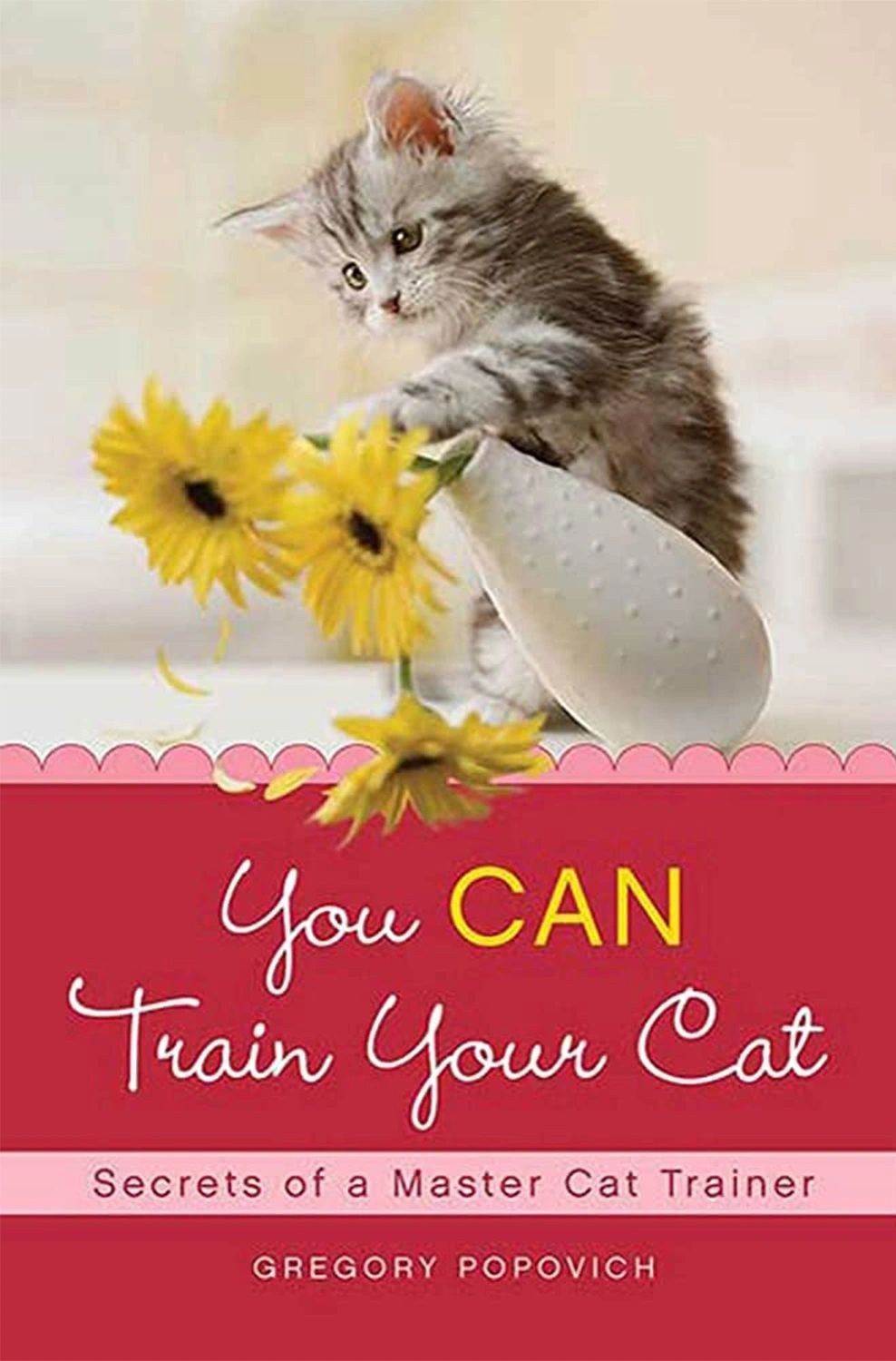
We keep the details of her past deliberately general: shelter histories are often thin, and the point of her story is not where she came from but what patience made possible. Families watch her on stage and ask the same question on the way out — could our cat at home learn too? The honest answer sits on the cover of the book below: yes, your cat can.